How to Pack Fragile Items for a Move: AJ Stephenson’s Professional Protection Guide
Packing well is one of the easiest ways to avoid stress on moving day

Anyone who’s moved house knows that sinking feeling when you open a box and find a broken plate or a shattered glass. Packing fragile items properly takes more than a quick wrap and a hopeful prayer.
With the right materials, the right technique, and a bit of planning, you can protect almost everything you own from the bumps, jolts, and vibrations that happen in transit.
Below is our straightforward, tried-and-tested guide to packing fragile items safely - whether you’re doing it yourself or having a professional team pack for you.
Why proper packing matters (more than people think)
In transit, potholes are the real troublemakers. One unexpected jolt on a rough bit of road is all it takes for a poorly packed box to shift - and that’s when glasses and plates tend to come off worst.
And it’s not just about money. Wine glasses and lamps can be replaced (sometimes). Family photos in glass frames, heirlooms, or sentimental pieces often can’t.
Packing well is one of the easiest ways to avoid stress on moving day and disappointment when you unpack.
Essential packing materials for fragile items
Before you start, get your materials together. Running out halfway through is a classic DIY packing mistake.
You’ll want:
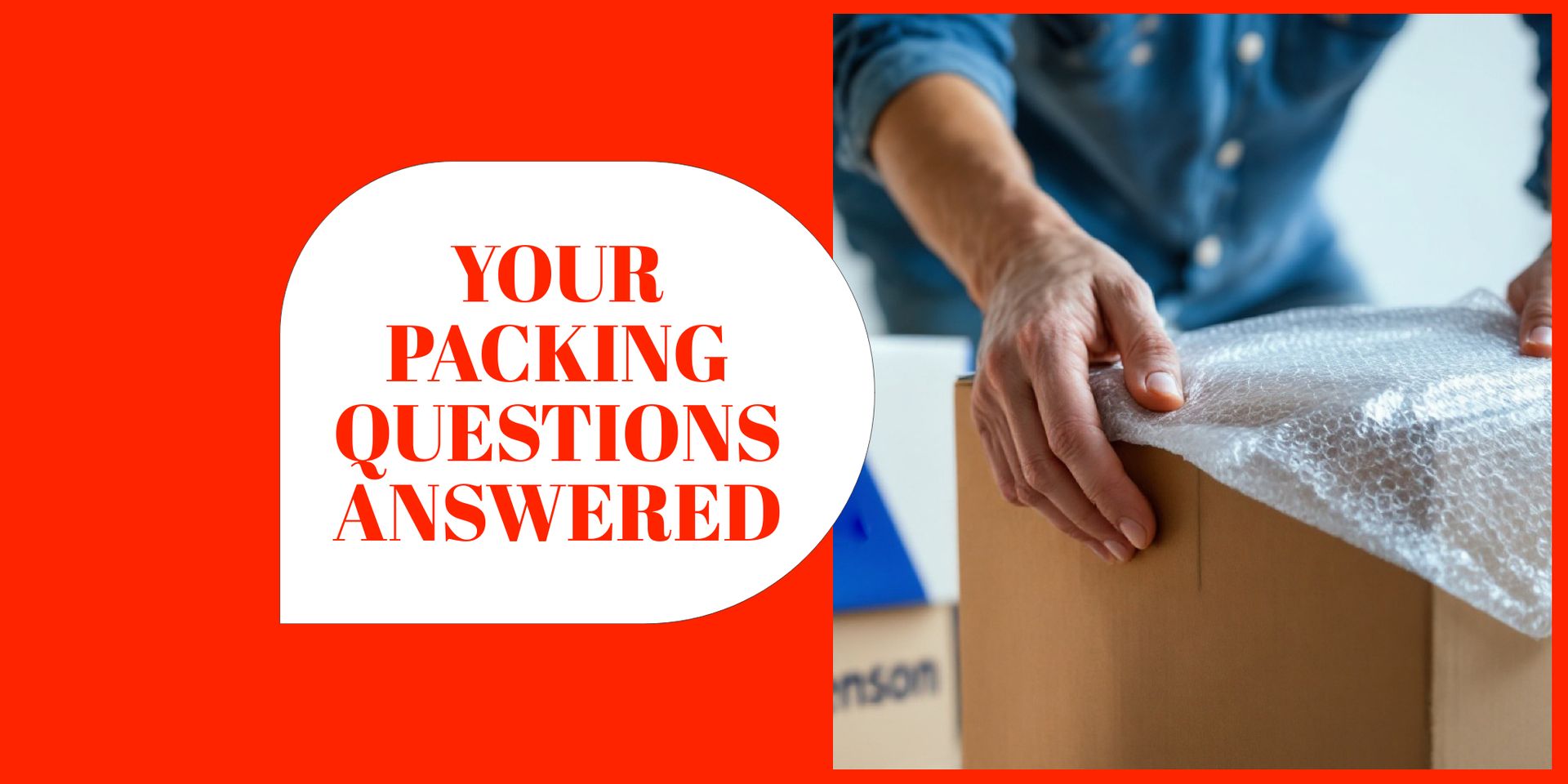
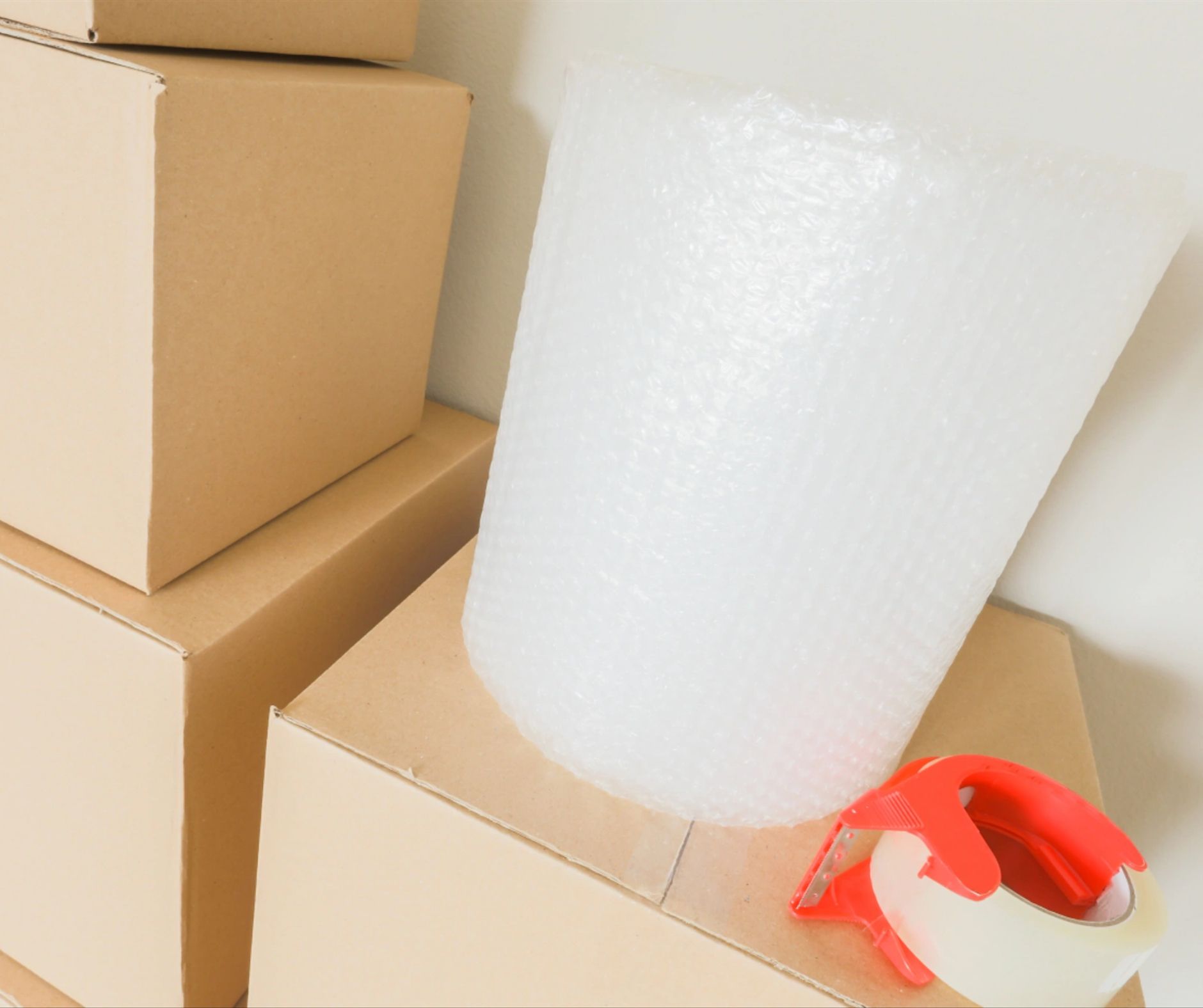
- Bubble wrap (wrap with bubbles facing inward for best cushioning)
- Packing paper (cleaner than newspaper - no ink marks on your best bits)
- Strong, double-wall boxes (especially for anything breakable or heavy)
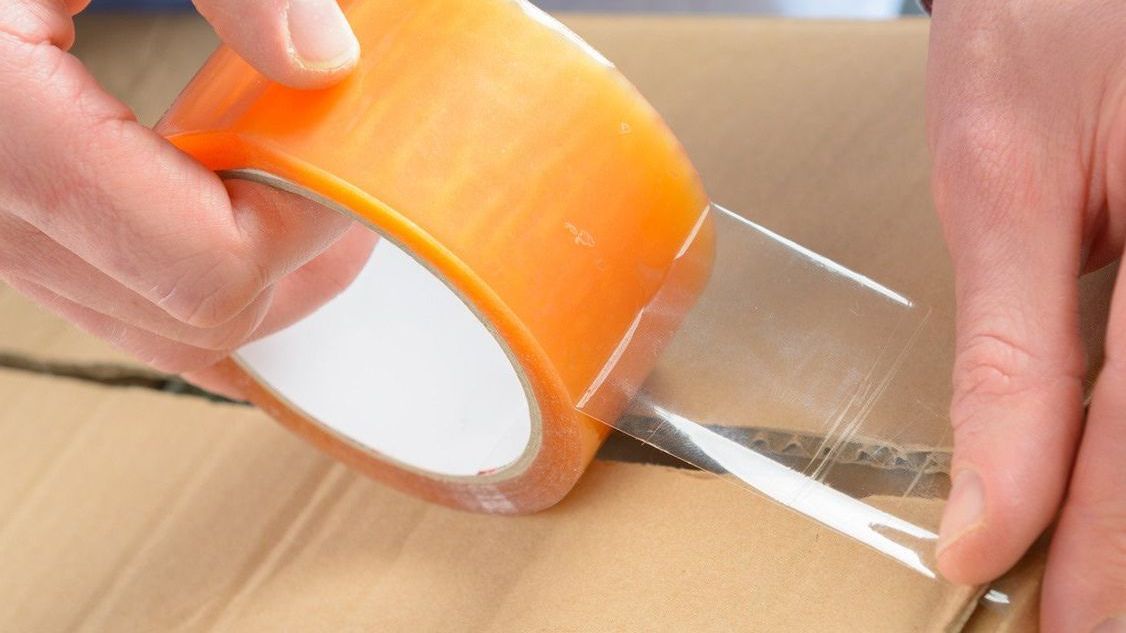
- Packing tape (proper packing tape, not the “it’ll do” stuff)
- Void fill: scrunched packing paper, foam, or packing peanuts (to stop movement)
- Specialist boxes where needed: dish packs, partitioned box/box with dividers, picture boxes
- Marker pens/FRAGILE labels
If you’re moving something genuinely high value (fine art, antiques), custom crating is worth considering.
How to pack glassware and dishes safely
Kitchen items take time, but it’s time well spent.
Plates and bowls
- Pack plates vertically (on their edge), not stacked flat.
- Wrap each plate in 3–4 sheets of packing paper, tucked in firmly.
- Use a dish pack (double-wall) box if possible.
- Add a 5–7 cm cushion layer at the bottom of the box.
- Build in padding between rows and
fill the top so nothing shifts.
Drinking glasses and stemware
- Wrap glasses individually.
- Put a small scrunched piece of paper inside the glass for internal support.
- Give stems an extra layer of bubble wrap.
- Use partitioned box/box with dividers if you can.
- Pack so there’s zero movement once the box is closed.
Labelling kitchen boxes
Write clearly on all sides and the top, for example: “Kitchen – Glassware – FRAGILE – THIS WAY UP”
Protecting electronics during a move
Electronics are fragile and expensive, so treat them with respect.
- Photograph cable setups before unplugging (future-you will thank you).
- Use original boxes if you still have them.
- If not, use a sturdy double-wall box with a thick base layer of padding.
- Fill all gaps so the item cannot move at all.
- Keep cables and remotes together in labelled bags.
- Use anti-static protection for sensitive computer components.
Specialist packing for fine art, mirrors and antiques
Some items are best handled by professionals - especially originals, antiques, and one-of-a-kind pieces.
Mirrors and picture frames
- Tape the glass in a cross pattern (helps hold shards if it cracks).
- Wrap in multiple layers of bubble wrap.
- Use a picture/mirror box for best protection.
Sculptures and awkward shapes
- Wrap protruding parts first (handles, arms, decorative edges).
- Immobilise fully with padding so it can’t shift.
Climate considerations
Temperature and moisture can affect certain items (oil paintings, antique wood). If you’re moving in wet weather or storing items, ask about suitable protection and transport options.
How to pack lamps, vases and decorative items
These are tricky because they’re often fragile and oddly shaped.
Lamps
- Remove shade, bulb and base.
- Wrap the base well and pack upright with void fill.
- Don’t squash lampshades - pack them in a box with light, loose padding to hold shape.
Vases and hollow items
- Fill the inside with scrunched paper/bubble wrap first.
- Wrap the outside with extra attention to the rim and base.
Fragile bathroom and bedroom items
- Mirrors and glass shelves: tape, wrap, and box like picture frames.
- Perfumes/cosmetics: wrap individually and put in zip-lock bags to catch leaks.
- Jewellery and small valuables: ideally travel with you, not in the van.
The double-boxing method (for extra protection)
For very fragile or high-value items, double-boxing is brilliant:
- Pack the item securely in a smaller inner box.
- Put that box inside a larger outer box.
- Leave 5–7 cm gap on all sides and fill it completely with padding.
Mark the outer box FRAGILE on all sides.

Common mistakes to avoid
- Overpacking boxes (if it’s hard to lift comfortably, it’s too heavy)
- Using weak or previously damaged boxes
- Not filling empty space (movement = breakage)
- Mixing fragile items with heavy non-fragile items
- Relying on “FRAGILE” alone instead of proper packing
When to hire professional packing services
Professional packing is a smart choice if:
- You’re short on time
- You have lots of fragile items
- You’re moving valuable pieces (art, antiques, collectables)
- You want extra peace of mind and a more straightforward insurance position
- You’re feeling overwhelmed and would rather have it packed properly (and quickly) by people who do it every day
DIY can look cheaper, but once you factor in materials, time, and the cost of replacing broken items, professional packing often works out as good value-especially for larger homes.
At AJ Stephenson Removals & Storage, we offer full packing services using proper materials and proven methods, so your fragile items are protected from the moment they’re wrapped to the moment they’re unpacked.
Final word
Packing fragile items properly is all about the basics done well: wrap individually, cushion generously, immobilise everything, and label clearly.
If you’ve got anything high value or you’d rather not spend your evenings surrounded by bubble wrap, a professional packing service can make moving day far less stressful.