How to Prepare Your Home for Removals: A Complete Pre-Move Guide
How to Prepare Your Home for Removals
Moving home is one of the most significant events in a person's life, and how well you prepare your home for removals can make the difference between a smooth, stress-free experience and a chaotic, exhausting one.
The weeks leading up to moving day are your opportunity to get everything in order, and a little effort at this stage pays off enormously when the removal team pulls up outside.
At AJ Stephenson Removals, we have helped countless families and individuals across Essex make well-prepared moves, and we know exactly what good preparation looks like from the inside out.
This guide walks you through everything you need to do before the removal team arrives, from creating an early timeline to protecting your floors on the day itself.
Why Preparing Your Home Before Removals Day Matters
Good preparation is not just about being organised. It directly affects how safely your belongings are handled, how quickly the move is completed, and how much the whole process costs you.
When a removal team arrives at a well-prepared property, they can focus entirely on the job at hand rather than waiting around while boxes are still being filled or furniture is still being decided on.
Research consistently shows that poorly prepared moves take significantly longer to complete.
Delays caused by last-minute packing, inaccessible rooms, or furniture that has not been measured against doorways can add hours to your moving day.
Those extra hours can carry a financial cost too, particularly if your removal company charges by the hour.
Beyond the practicalities, there is the question of stress.
When you have thought ahead, you arrive on moving day feeling calm and in control rather than overwhelmed and reactive.
Professional removal teams work most efficiently when access routes are clear, boxes are labelled, and the home is ready for loading.
Preparation also reduces the risk of damage.
A vase left unwrapped on a shelf, a picture still hanging on the wall, or a loose drawer that has not been secured are all small oversights that can result in expensive breakages.
Taking the time to prepare your property properly is one of the most valuable investments you can make before moving day.
Start Early: Creating Your Pre-Move Timeline
The single most common piece of advice that experienced removal professionals give is to start earlier than you think you need to.
For most house moves, beginning your preparations four to six weeks before the moving date gives you enough time to work through tasks steadily without feeling rushed.
Breaking your preparation into weekly goals makes the whole process far more manageable.
In weeks five and six before your move, focus on decluttering and deciding what is coming with you and what is not.
Weeks three and four are a good time to start packing non-essential items such as out-of-season clothing, books, and decorative pieces you will not need before the move.
In the final two weeks, concentrate on packing the remaining rooms systematically, confirming access arrangements, and dealing with practical admin tasks such as updating your address and notifying utilities providers.
Having a written timeline also gives you a clear sense of progress. You can tick tasks off as you go, which helps reduce that nagging feeling of having forgotten something.
A comprehensive moving day checklist can serve as a practical companion to your timeline, making sure nothing slips through the gaps as the date approaches.
Decluttering Before the Removals Team Arrives
One of the most effective things you can do before any house move is to reduce the volume of what you are moving in the first place.
Decluttering room by room is the most practical approach.
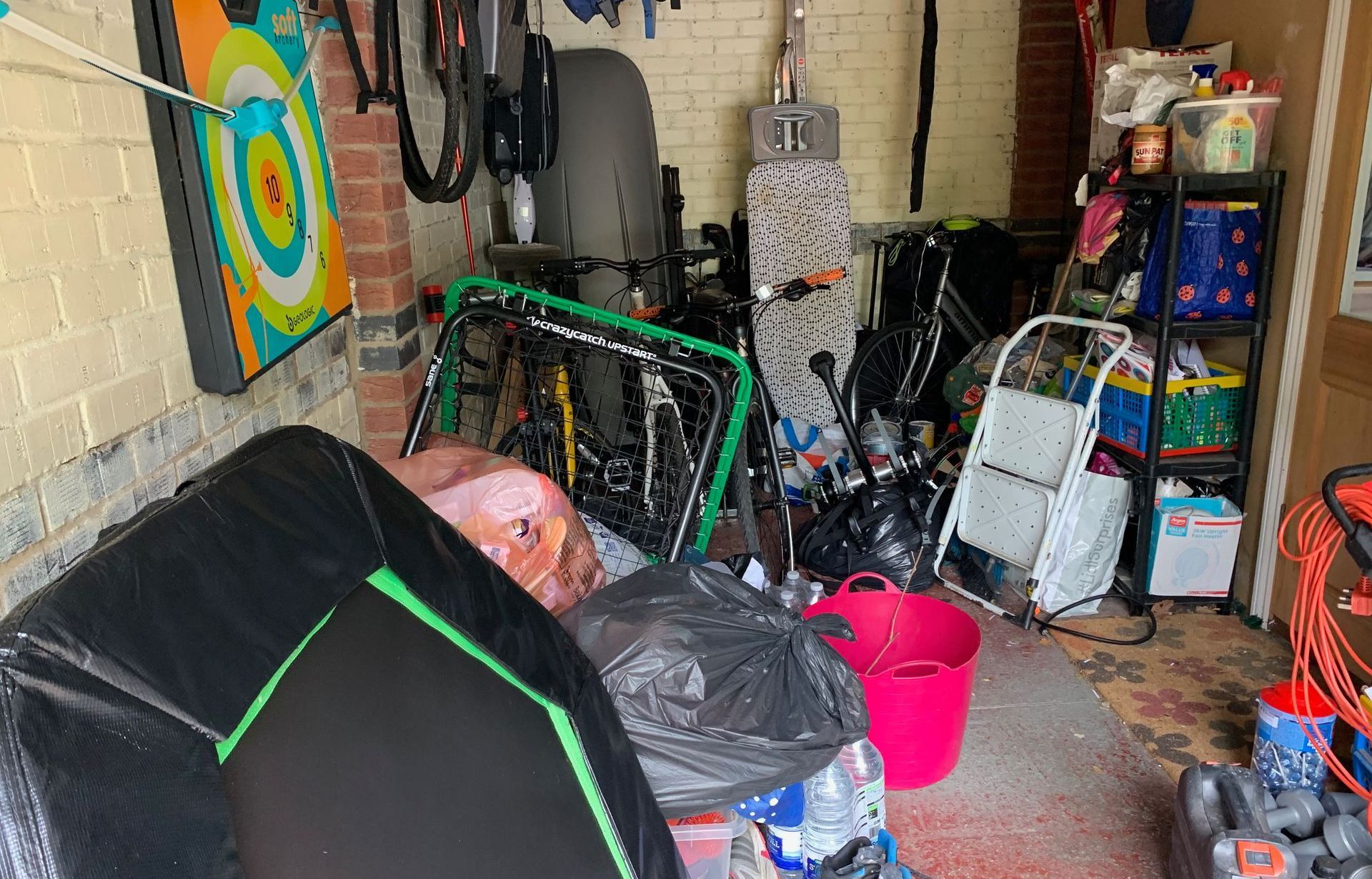
Start with areas that tend to accumulate forgotten items over the years, such as lofts, garages, spare rooms, and under-stair cupboards, and work your way through to more regularly used spaces.
As you go through each room, sort items into four categories: keep, donate, sell, and discard.
Be honest with yourself during this process. If you have not used something in more than a year and you cannot think of a specific reason you will need it in the near future, it is probably time to let it go.
Charity shops, online selling platforms, and local community groups are all good options for items that are still in good condition.

The financial benefit of decluttering before a move is real and tangible. Removal companies often base their quotes on the volume of goods being moved.
A smaller load means a smaller lorry or fewer trips, which can result in a lower quote. Decluttering also simplifies the unpacking process at the other end.
You arrive at your new home with only the things you actually want, and everything has a clear purpose and place.
For practical guidance on working through your belongings efficiently, take a look at these effective decluttering strategies before you start.
When to Consider Storage for Unwanted Items
Sometimes decluttering throws up a different kind of problem. You may have items you are not ready to part with permanently but do not want to bring to your new home straight away.
Perhaps you are downsizing, or the new property is being renovated, or you simply need more time to decide what to do with certain pieces of furniture.
In these situations, temporary storage can be an excellent solution. Mobile self-storage solutions allow you to store items securely during the transition period without the pressure of making permanent decisions on moving day.
This approach is particularly useful during phased moves or when there is a gap between leaving one property and settling fully into another.
Ensuring Clear Access for the Removal Vehicle
Access is one of the most frequently overlooked aspects of move preparation, and yet it has a direct impact on how smoothly and quickly the job gets done.
Before moving day, take the time to check parking restrictions on your street and outside your new property.
If you live in an area that requires a permit for a large vehicle to park, contact your local council well in advance to arrange the necessary permissions.
Inside the property, measure doorways, hallways, and staircases against the dimensions of any large furniture items.

A sofa that fits perfectly in your current living room may not make it through a narrow hallway at the new address.
Knowing this ahead of time allows you to plan accordingly, whether that means disassembling the piece or arranging for it to enter through a different route.
If you are moving into or out of an apartment block, arrange a lift reservation with your building management team as early as possible. Moving day access windows in shared buildings can be competitive.
Taking a few minutes to speak to your neighbours in advance is also worth doing. Letting them know that a removal vehicle will be parked outside on a specific date shows consideration and avoids potential friction on the day itself.
Most people are completely understanding when given a heads up.
What If Access Is Limited at Your Property?
Narrow streets, restricted parking zones, and unusual property layouts are more common than most people realise.
If you are concerned about access at either your current address or your new one, speak to your removal company as soon as possible. Professional teams are experienced in working with challenging access situations and can advise on the best approach.
In cases where a large removal lorry cannot park close enough to the property, a smaller shuttle vehicle may be used to transfer goods in stages.
Some removal companies carry specialist equipment such as extended furniture hoists for upper floor access when a standard staircase is not an option.
Being upfront about potential access difficulties means your removal company can plan for them properly and arrive fully equipped on the day.
Protecting Your Property During the Move
The contents of your home are not the only things at risk during a move. Your property itself, including floors, walls, banisters, and door frames, can easily be scuffed or scratched during the process of carrying large items in and out.
Taking some straightforward protective steps before the removal team arrives makes a real difference.
Lay protective floor coverings over carpets and hard floors in hallways and main traffic routes. This is particularly important in wet weather, when muddy boot prints can quickly become a problem.
If you have any hanging pictures, mirrors, or decorative items on walls, take these down before the team arrives and pack them safely.
Leaving them in place creates an unnecessary risk, and even experienced movers can catch a frame with an awkward angle.
Loose fixtures such as free-standing lamps, shelving brackets, or decorative hooks should also be dealt with in advance.
Finally, take meter readings for gas, electricity, and water on the morning of your move and photograph them for your records.
This protects you from any billing disputes with your current or future supplier and is a quick job that is easy to forget amid the activity of moving day.
Preparing Special Items That Need Extra Care
Certain belongings need more thought and preparation than standard household goods.
Valuable items, fragile antiques, large musical instruments, and original artwork all fall into a category that requires specialist handling and, in some cases, specialist equipment.
If you own a piano or have pieces of fine art you are bringing to your new home, these should be discussed with your removal company during the initial survey or consultation.
At AJ Stephenson Removals, we offer specialist piano and fine art removals using the appropriate equipment and trained personnel to ensure these items are transported without risk of damage.
Do not assume that a general removal team will have the skills or tools to handle these items safely without checking first.
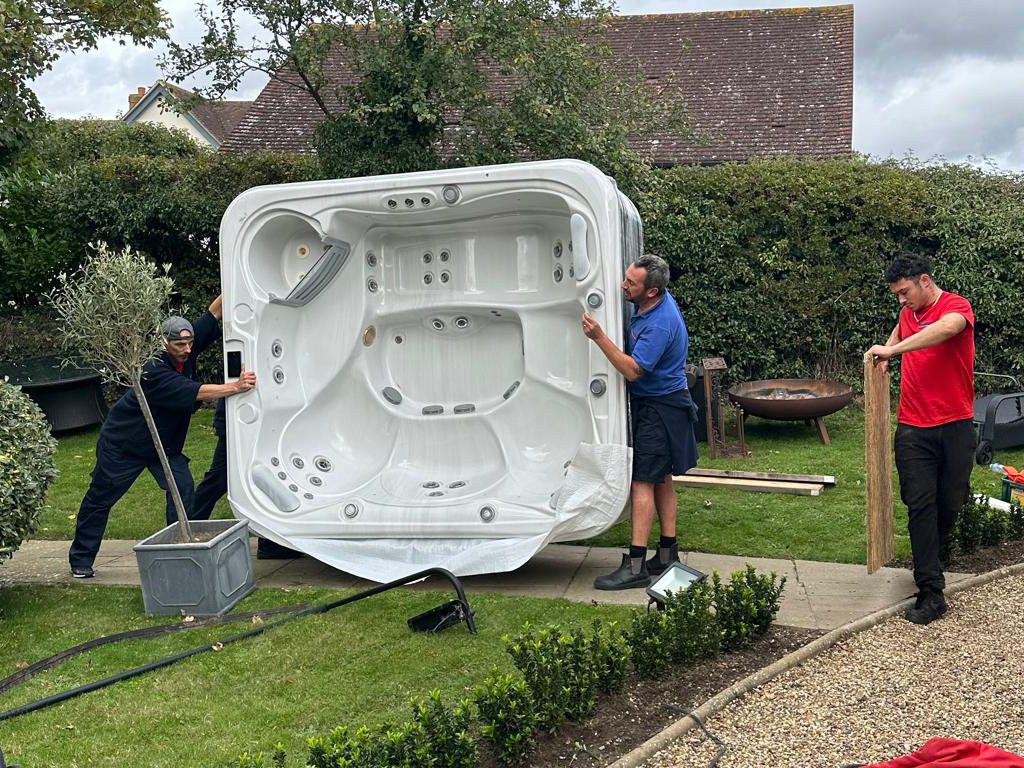
For furniture that requires disassembly, such as large wardrobes, bed frames, or dining tables, check whether your removal company offers a dismantle and reassembly service.
If you are disassembling pieces yourself, keep all screws and fittings together in clearly labeled bags and tape them to the relevant piece of furniture so nothing gets lost in transit.
Electronic devices such as computers and laptops should be backed up before the move, ideally to a cloud service or external drive, so that your data is protected regardless of what happens to the hardware during transit.
How Should You Handle Plants and Garden Items?
Houseplants and garden items are often the last things people think about when preparing for a move, and yet they can be among the trickiest items to transport successfully.
Plants are vulnerable to changes in temperature, sudden movement, and being kept in the dark for extended periods.
Before moving day, water your plants sparingly so the compost is not waterlogged and the pots are not excessively heavy.
For specific guidance on preparing both indoor and outdoor plants for transit, our guide to packing plants covers everything you need to know in practical detail.
Garden furniture, tools, and equipment should be cleaned and dried before packing to avoid introducing soil or moisture to the removal vehicle.
Bulky items such as garden tables and barbecues may need to be partially dismantled to pack and transport safely.
Organising Essential Documents and Valuables
Every house move involves a significant amount of paperwork, and the last thing you want is to arrive at your new home and realise that an important document was packed into a box that is now buried at the back of the lorry.
Before moving day, create a dedicated folder or box that travels with you personally and never gets handed over to the removal team.
This personal box should contain passports, birth certificates, marriage certificates, insurance documents, tenancy agreements or property contracts, mortgage paperwork, and medical records.
Include a folder with details about your new property: the address, any access codes or alarm information, keys, and contact details for the estate agent or previous owner.
If you have any jewellery or irreplaceable keepsakes, these should also travel with you rather than being packed with the general load.
Having all of these items together in one place also means that when you arrive at your new home and are faced with a sea of boxes to unpack, you already have the essentials to hand.
You can function normally on day one without having to search through packing boxes looking for a particular document or set of keys.
Final Preparations the Night Before Removals Day
The evening before your move is not the time to start packing.
Everything should ideally be boxed up and ready to go by the night before, leaving you free to focus on the final checks.
Walk through every room in your current property and check all cupboards, drawers, wardrobes, and storage spaces. Look in the loft, the garage, the shed, and any outbuildings.
It is very easy to miss a shelf at the back of a utility room or a set of items stored under a bed.
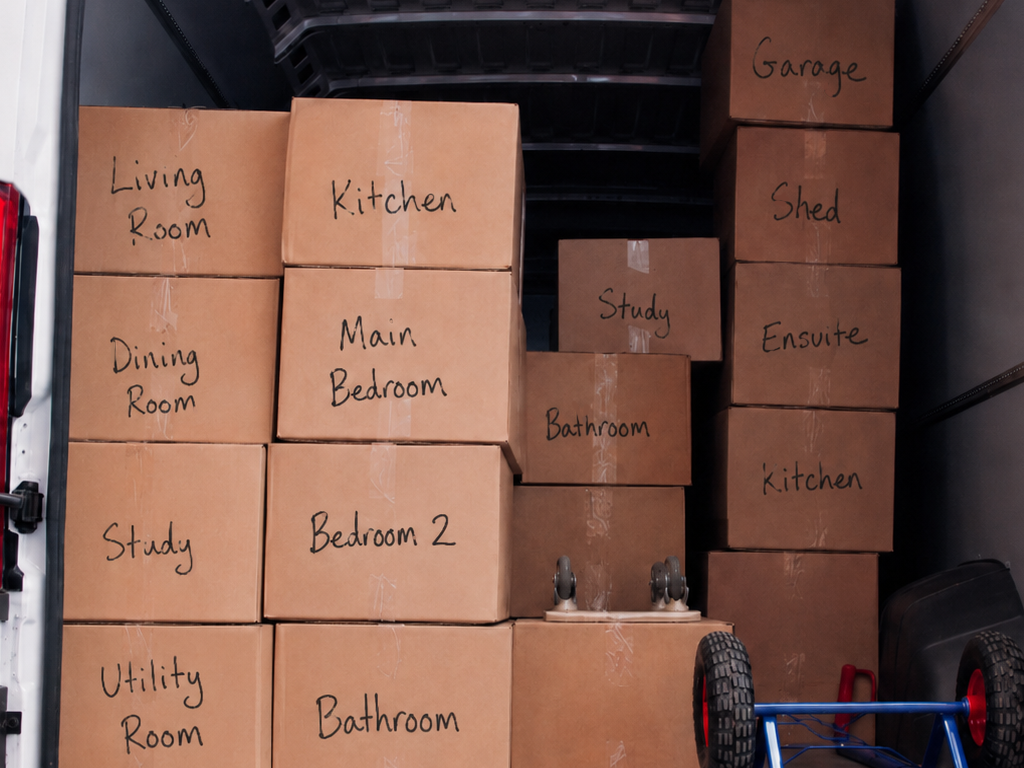
Check that every packed box is clearly labeled with its contents and its destination room in the new property.
This makes an enormous difference when your removal team is unloading at the other end and allows you to direct everything to the right place quickly.
Prepare refreshments for the removal team for the following day. Having tea, coffee, and some food available is a simple gesture that is genuinely appreciated, particularly during a long day's work.
Confirm all the arrangements for the following morning with your removal company, including the arrival time, contact numbers, and any last-minute details about access or parking.
Our moving day survival strategies guide covers everything you need to feel ready and confident as the day begins.
What to Expect When the Removal Team Arrives
When your removal team arrives on moving day, they will typically carry out a quick initial walkthrough of the property before loading begins.
This gives them a clear picture of what needs to be moved, where the heaviest or most awkward items are, and how best to plan the loading sequence.
Do not be alarmed by this stage; it is a professional practice that helps everything run more smoothly.
Good communication with your removal crew makes a real difference throughout the day.
If there are specific items you want to be loaded last so they can be unloaded first, or items that need to be kept upright, or anything that requires particular care, say so clearly at the start.
Your removal team is there to help you, and they will always appreciate clear guidance over having to guess.
Make yourself available throughout the day to answer questions as they come up. You do not need to be standing in the middle of every room watching, but being reachable on-site means that any unexpected situations can be resolved quickly without unnecessary delays.
Should You Be Present During the Entire Removal Process?
In most cases, having either you or a trusted family member present throughout the entire removal process is a good idea.
You are the person who knows the property best, and there will almost certainly be questions that only you can answer, whether that is about how a piece of furniture disassembles, which boxes go in which room at the new address, or where to find a piece of furniture that was stored out of the way.
If you cannot be present for the full duration, arrange for someone you trust completely to stand in for you.
Brief them thoroughly in advance so they know where everything is, what the plan is for the new property, and who to call if something unexpected comes up.
The removal team will work professionally regardless, but having a point of contact on-site makes the whole day run more efficiently.
Common Preparation Mistakes to Avoid
Even with the best intentions, certain preparation errors come up again and again. Knowing what they are means you can sidestep them entirely.
Leaving packing until the final day or two is the most common mistake of all. It creates enormous pressure, leads to poorly packed boxes, and often results in items being damaged or forgotten.
Start packing well in advance and work through your home systematically rather than trying to tackle everything at once.
Failing to measure furniture against doorways and stairwells is another mistake that causes real problems on moving day.
A large wardrobe or corner sofa that cannot physically be removed through the door is a significant logistical challenge, and discovering it at the last minute is far more stressful than planning for it in advance.

Similarly, not telling your removal company about access challenges at either property means they arrive without the right equipment or contingency plan.
Forgetting to redirect utilities and services is a practical oversight that can cause ongoing inconvenience after you move.
Update your address with your bank, insurance providers, subscriptions, and any other regular services well before moving day.
For a full breakdown of what to watch out for, take a look at our guide to common packing errors to avoid to make sure you are not caught out.
How Professional Packing Services Can Help
Not everyone has the time, physical energy, or confidence to pack an entire home to a professional standard.
For many people, particularly those with busy schedules, physical limitations, or a large number of fragile and valuable items, investing in a professional packing service is a genuinely practical decision rather than a luxury.
Professional packers bring the right materials for every type of item, from specialist wrapping for fragile goods to purpose-built boxes for wardrobe contents, mirrors, and artwork.
They work quickly and systematically, and they pack to a standard that maximises protection during transit. If you are weighing up the cost against the benefit, our article on whether packing services provide good value sets out the real-world considerations in straightforward terms.
Even if you choose to pack most of your home yourself, a partial packing service focused on your most fragile or valuable items can offer real peace of mind without the full cost of a complete pack.
Speak to the AJ Stephenson Removals team about what would work best for your move and your budget.
Frequently Asked Questions
How far in advance should I start preparing my home for removals?
Start at least four to six weeks before your moving date. This gives you enough time to declutter, pack non-essential items gradually, and deal with practical tasks like parking permits and utility redirections without feeling rushed. The earlier you begin, the less stressful the final week will be.
Do I need to empty all cupboards and drawers before the removal team arrives?
Yes, as a general rule, cupboards and drawers should be emptied before the removal team loads furniture. Drawers can become very heavy and risk breaking if left full, and items inside cupboards may shift during transit and cause damage. There are some exceptions, such as certain chest of drawers where the team may manage lighter drawers in place, but always confirm this with your removal company beforehand.
What items should I pack separately and take with me personally?
Passports, birth certificates, financial documents, insurance policies, medical records, and house contracts should always travel with you personally. Irreplaceable items such as family photographs, jewelry, and keepsakes should also be kept with you rather than loaded onto the removal vehicle.
How can I make sure large furniture will fit through doorways and stairs?
Measure your furniture and compare those measurements against the width and height of all doorways, hallways, and stairwells at both properties. Do this well in advance so you have time to plan how each piece will be removed or, if necessary, partially dismantled. Your removal company can also advise during a pre-move survey.
Should I be present throughout the entire removal process?
It is strongly advisable to be present, or to arrange for someone you trust to be there in your place. Questions will come up throughout the day, and having a decision-maker on-site avoids delays. You will also need to hand over keys and sign off on the job at both ends of the move.
What happens if I am not fully prepared when the removal team arrives?
If the property is not ready when the team arrives, the move will simply take longer. This can incur additional costs if your service is charged by time, and it puts unnecessary pressure on your removal crew. In some cases, a partially prepared home can also lead to items being packed or loaded incorrectly, which increases the risk of damage.
Do removal companies provide protective coverings for floors and banisters?
Many professional removal companies, including AJ Stephenson Removals, do carry protective materials as part of their standard service or as an optional add-on. It is worth confirming this when you book, and considering laying your own protective coverings in advance as an extra precaution, particularly on carpeted areas and in high-traffic routes through the property.
Moving home well comes down to preparation, and the time you invest in the weeks before your move will reward you many times over when the actual day arrives.
Whether you are moving across Essex or relocating further afield, AJ Stephenson Removals is here to support you at every stage of the process. To get expert advice tailored to your specific move, book a professional removal survey with our team today.